You want your Subaru or Toyota to perform at its best. You want more power, better throttle response, and smoother acceleration. Dyno testing services and dyno tuning can help you achieve these goals. This post explains how these services work, what to expect, and how they can improve your vehicle’s performance.
What Are Dyno Testing Services?
Dyno testing services measure your vehicle’s power output and engine performance. A dynamometer, or dyno, is a machine that simulates driving conditions while your car stays in one place. It records data such as horsepower, torque, and air-fuel ratio.
Using this data, tuners can identify areas where your engine can be optimized. This is especially useful for Subaru and Toyota performance vehicles, which often respond well to fine-tuning.
Benefits of dyno testing services:
Accurate measurement of engine power
Identification of performance issues
Baseline data for tuning adjustments
Verification of tuning results

How Dyno Testing Services Improve Your Vehicle
Dyno testing services provide a clear picture of your vehicle’s current performance. After testing, tuners adjust the engine’s computer settings to maximize power and efficiency. This process is called dyno tuning.
Dyno tuning involves modifying parameters like fuel delivery, ignition timing, and boost pressure. These changes help your engine run more efficiently and produce more power without risking damage.
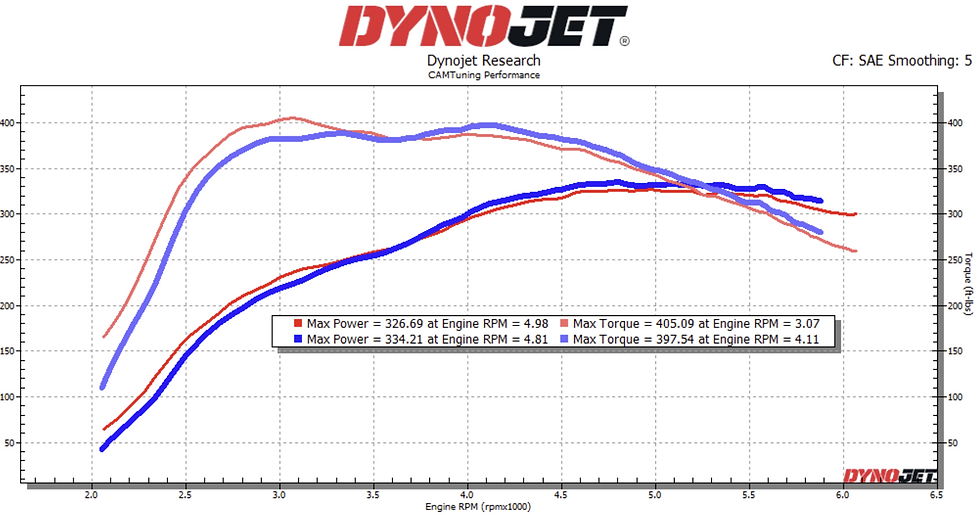
For example, a Subaru WRX owner might see a 10-20% increase in horsepower after a proper dyno tune. A Toyota Tacoma driver could expect a 15-20% in horsepower and notice improved throttle response and smoother power delivery.
Key points about dyno tuning:
It is tailored to your specific vehicle and modifications
It ensures safe and reliable power gains
It can improve fuel economy in some cases
It helps maintain engine health by optimizing settings
How Long Does It Take to Dyno Tune a Car or Truck?
The time required to dyno tune a truck depends on several factors. These include the truck’s engine size, modifications, and the tuner’s experience. Generally, a dyno tune session takes between 1 to 3 hours.
The process includes:
Initial dyno testing to gather baseline data
Adjusting engine parameters and testing changes
Repeating tests to verify improvements
Finalizing the tune and saving settings
For cars or trucks with extensive modifications, tuning may take longer. The goal is to ensure the engine runs smoothly and safely at higher power levels.
Plan your visit accordingly and communicate with your tuner about your car or truck’s specifics. This helps set realistic expectations for the tuning session.
What to Expect During a Dyno Tuning Session
When you bring your Subaru or Toyota to a dyno tuning session, expect a professional and methodical process. The tuner will secure your vehicle on the dyno and connect diagnostic equipment.
You will hear the engine revving as the dyno simulates driving conditions. The tuner will make adjustments in real-time, monitoring data to optimize performance.
You may be asked to provide information about your vehicle’s modifications and driving habits. This helps the tuner customize the settings to your needs.
After tuning, the tuner will run final tests to confirm power gains and engine stability. You will receive a printout or digital report showing the before and after results.
Tips for a smooth dyno tuning experience:
Ensure your vehicle is in good mechanical condition
Bring any relevant modification details
Ask questions about the tuning process
Follow any post-tuning recommendations
Why Choose Professional Dyno Tuning in New Mexico?
Choosing a professional dyno tuning service ensures you get accurate results and safe power gains. Experienced tuners understand the unique characteristics of Subaru and Toyota engines.
They use advanced equipment and proven tuning methods to maximize your vehicle’s potential. Professional tuning also reduces the risk of engine damage caused by improper settings.
New Mexico's altitude and climate can affect engine performance. A local tuner will account for these factors during the dyno tuning process.
CAMTuning Performance specializes in Subaru and Toyota tuning. They offer expert dyno testing services and custom dyno tuning to help you get the most from your vehicle.
Maintaining Performance After Dyno Tuning
After your vehicle is dyno tuned, maintenance is key to preserving the gains. Follow these simple steps:
Use high-quality fuel recommended by your tuner
Keep up with regular oil changes and fluid checks
Monitor engine performance and address issues promptly
Avoid aggressive driving until you are familiar with the new power delivery
By staying proactive, you ensure your Subaru or Toyota continues to deliver the power you expect.
Maximize your vehicle’s potential with professional dyno testing services and tuning. With the right expertise and equipment, you can enjoy improved power, better throttle response, and a more thrilling driving experience. Take the first step by booking a session with a trusted tuner today.